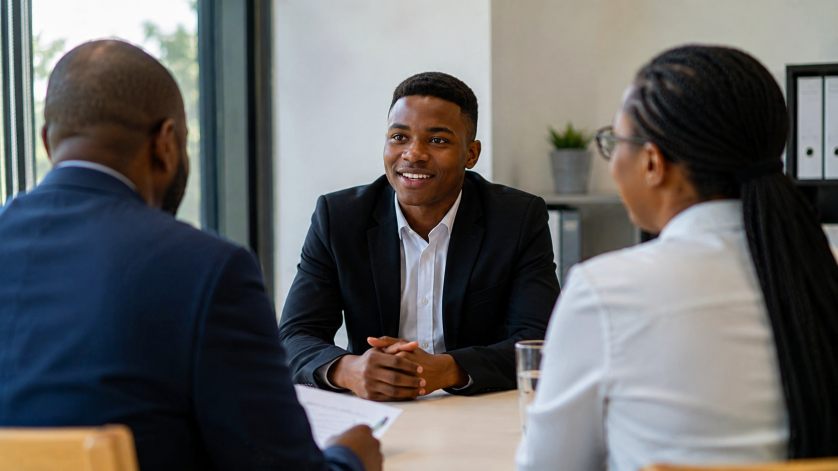
Getting invited to a job interview can be exciting,but it can also be scary, especially if it your first time.Many young people lose opportunities not because they lack skills,but because they are unprepared for interviews.The good news is that interview skills can be learned .In this guide, you’ll discover practical interview preparation tips, common mistakes to avoid, and proven strategies that can help beginners build confidence, answer questions effectively, and improve their chances of getting hired.
Why Interview Preparation Matters
A job interview is often the final step before an employer decides whether to hire you.Your CV may have helped you secure an interview,but your performance during the interview can determine whether you receive a job offer.
Many employers understand that beginners may not have years of work experience.However,they still want to see confidence, professionalism, willingness to learn, and a positive attitude.
Preparing properly for an interview can help you:
- Feel more confident
- Reduce nervousness
- Answer questions clearly
- Make positive first impression
- Increase your chances of getting hired
The more prepared you are,the better your interview performance is likely to be.
Understand the Job Description
One of the biggest mistakes beginners make is attending interviews without understanding the position they applied for.
Before your interview, carefully read the job advertisment and job description.
Ask yourself:
- What duties will I perform?
- What skills does the company require?
- What qualifications are preferred?
- What type of employee are they looking for?
Understanding the role helps you answer questions more effectively and demonstrate genuine interest in the opportunity.
Research the Company
Employers are often impressed when candidates know basic information about their organization.
Spend at least 15 to 30 minutes researching the company.
Learn about:
- Their products or services
- Their history
- Their mission and values
- Recent news or achievements
- Their industry
You do not need to become an expert,but knowing the basics shows initiative and professionalism.
Practice Common Interview Questions
Most interviews include similar questions.
Some common examples include:
Tell us about yourself.
Focus on:
- Your education
- Relevant skills
- Career goals
- Positive personal qualities
Avoid discussing unrelated personal details.
Why do you want this job?
Explain :
- Your interest in the role
- Your desire to gain experience
- How the position aligns with your goals
What are your strengths?
Examples:
- Good communication
- Teamwork
- Time management
- Reliability
- Fast learner
What are your weaknesses?
Choose a genuine weakness and explain how you are working to improve it.
Example:
“I sometimes become nervous when speaking in front of large groups,but I have been practicing public speaking to improve my confidence”.
Prepare Your Own Questions
At the end of many interviews, employers ask:
“Do you have any questions for us?”
Never respond with”No.”
Prepare questions such as:
- What does a typical day look like?
- What training opportunities are available?
- What qualities do successful employees have here?
- What are the next steps in the hiring process?
Asking thoughtful questions demonstration interest and professionalism.
Dress Professionally
Your appearance creates a first impression before you speak.
You do not need expensive clothing.
Focus on:
- Clean clothing
- Neat appearance
- Proper grooming
- Clean shoes
- Conservative choices
For most interviews, business casual clothing is appropriate.
Avoid:
- Dirty clothing
- Excessive jewelry
- Clothing with offensive slogans
- Strong perfumes
Professional appearance shows respect for the employer and the opportunity.
Arrive Early
Being late creates a negative first impression.
Aim to arrive:
- 15 to 30 minutes early
If the interview is online:
- Test your internet connection
- Check your camera
- Test your microphone
- Prepare a quiet environment
Arriving early helps reduce stress and allows you to settle before the interview begind.
Bring Important Documents
Always carry copies of:
- Your CV
- ID document
- Certificates
- Qualifications
- Reference letters
- Driver’s license (if required)
Organize documents neatly in a folder.
Being prepared demonstrate professionalism.
Improve Your Language
Communication involves more than words.
Positive body language includes:
- Smiling naturally
- Good posture
- Eye contact
- Firm handshake (if appropriate)
- Listening attentively
Avoid:
- Looking at your phone
- Folding your arms
- Constant fidgeting
- Avoiding eye contact
Confident body language helps employers view you positively.
Learn the STAR Method
Many employers use behavioral interview questions.
Examples:
- Tell us about a challenge you faces
- Describe a time you worked as part of a team
The STAR method helps structure answers:
Situation
Explain the situation.
Task
Describe your responsibility.
Action
Explain what you did.
Results
Describe the outcome.
This method helps you provide organized and professional answers.
Prepare for Online Interviews
Virtual interviews are becoming increasingly common.
Before the interview:
- Charge your device
- Test your camera
- Check your microphone
- Use a quiet room
- Ensure proper lighting
Avoid interruptions whenever possible.
Treat online interviews with the same seriousness as in-person interviews.
Manage Interview Nervousness
Feeling nervous is normal.
Even experienced professionals sometimes feel nervous before interviews.
Ways to manage anxiety:
- Practice beforehand
- Arrive Early
- Take deep breaths
- Focus on your preparations
- Maintain positive thinking
Remember that the employer invited you because they already saw potential in your application.
Be Honest
Never exaggerate your qualifications or experience.
Employers often verify information.
If you do not know something, it is better to say:
“I have not done that before,but I am willing to learn.”
Honestly builds trust and credibility.
Highlight Transferable Skills
Beginners may not have much work experience.
That is okay.
You can still discuss skills gained from:
- School projects
- Volunteer work
- Sports teams
- Student leadership
- Community activities
Examples include:
- Communication
- Teamwork
- Problem-solving
- Learnership
- Time management
Employers value these skills.
Show Enthusiasm
Employers often prefer hiring motivated candidates.
Show enthusiasm by:
- Smiling
- Speaking positively
- Demonstrating interest
- Asking questions
- Showing willingness to learn
Energy and enthusiasm can help you stand out from other applicants.
Common Interview Mistakes to Avoid
Many candidates lose opportunities because of avoidable mistakes.
Examples include:
Arrive Late
Always plan ahead.
Speaking Negativity About Others
Avoid criticizing former employers,teachers, or collegues.
Using Your Phone
Keep your phone on silent.
Giving One-Word Answers
Provide complete answers with examples.
Lack of Preparation
Research the company and practice questions beforehand.
What Employers Look for in Beginners
Employers do not expect beginners to know everything.
Instead,they often look for:
- Positive attitude
- Reliability
- Communication Skills
- Professionalism
- Teamwork
- Problem-solving ability
Demonstrating these qualities can significantly improve your chances of success.
What to Do After the Interview
Many candidates forget that professionalism continue after the interview.
Afterward:
- Reflect on your performance
- Identify areas for improvement
- Remain patient
- Monitor your email and phone
If you are unsuccessful, view the experience as a learning opportunity.
Every interview helps build confidence and skills.
How Many Interviews Does It Take to Get a Job?
There is no exact number.
Some people receive offers after their interview.
Others may attend several interviews before finding the right opportunity.
Do not become discouraged by rejection.
Persistence is one of the most important qualities in a successful job search.
Final Thoughts
Preparing for your first interview may seem overwhelming,but it becomes easier with practice.The key is preparation, confidence, professionalism, and a willingness to learn.Research the company, practice Common questions,dress appropriately, arrive early, and maintain a positive attitude throughout the process.
Remember that every successful was once a beginner.Each interview is an opportunity to improve your skills and move closer to your career goals.By applying the strategies in this guide,you can increase your confidence and improve your chances of securing your first job in 2026.
Frequently Asked Questions
1.How early should I arrive for an interview?
Aim to arrive 15 to 30 minutes before the scheduled time.
2.What should I wear to a job interview?
Wear clean,near, and professional clothing suitable for the position.
3.Is it okay to say I have no experience?
Yes.Focus on your skills, willingness to learn, and relevant experience from school or volunteering.
4.What If I do not know the answer to a question?
Be honest and explain how you would learn or approach the situation.
5.How long do interviews usually last?
Many interviews last between 20 and 60 minutes.
6.Should I ask questions at the end?
Yes.Asking thoughtful questions shows interest and professionalism.
7.Can nervousness affect my interview
A little nervousness is normal.Preparation helps reduce anxiety and improve confidence.
Related Searches
how to prepare for an interview, interview tips for beginners,first job interview advice, common Interview questions, interview questions and answers, interview confidence tips, how to answer tell me about yourself,job interview Preparation guide, online interview tips, interview mistakes to avoid, career advice for youth, how to get hired faster, interview body language tips, beginner job seeker advice, workplace communication skills.